

Types of UPVC Door Hinges
Jewson provides a range of uPVC door styles for your home that are ideal for transforming or upgrading. If your uPVC door is catching on the floor or lets in draughts, this is most likely due to the hinges being misaligned.
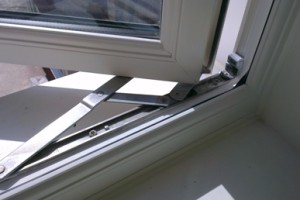
To address this issue, it is important to know the various types of hinges for upvc doors. Here are some guidelines to help you determine the issue.
UPVC
UPVC hinges support doors when they are opened and closed. They are available in a broad variety of sizes and colors and are designed to work with both wood and uPVC doors. They can also be attached to both external and internal doors. It is essential to select the correct kind of UPVC hinge for your door.
uPVC stands for Unplasticized Polyvinyl Chloride and is a popular material used in a variety of applications, such as window sills and frames. It's a sturdy and low-maintenance material, which is often considered to be comparable to aluminium and timber for its strength, cost-effectiveness and ease of installation.
A well-fitting hinge can reduce noise, draughts and provide more smooth closing and opening. They are typically attached to the jamb of the door as well as the door itself. It is essential to set them up correctly to ensure that they work smoothly.
There are a variety of different kinds of UPVC hinges available on the market. It's crucial to know which one you're using prior to making any adjustments or repairs. If you own hinges like a Butt hinge or a T hinge, or a flag hinge, for example it's important to know what each type of hinge does and how to adjust them if needed.
window hinge repairs near me is a common feature on uPVC doors and is generally attached to the frame of the door as well as the edge of the door sash. It's the most popular style of uPVC hinge and it permits plenty of movement and an elegant appearance for the inside of your home. This type hinge is usually adjustable, allowing you fine-tune the direction and location of your door as time passes.
On the other hand, if you've got a T-hinge, you will discover a screw that can be adjusted on the bottom. This is a way to change the hinge's compression by removing or adding shims. Start by turning the screw a couple of times, then test it. If necessary you will need to make adjustments.
A flag hinge is akin to the T hinge in that it's made with a knuckle plate that has a 'flag-like' cutout at the top, allowing full movement and rotation. This is a different kind of uPVC hinge that's very easy to adjust. Simply loosen the screw on the knuckle plate, and add Shims to increase compression or remove shims to reduce compression.
No matter if you have hinges that are Butt or a flag hinge, it's important to inspect your uPVC door hinges on a regular basis. It's not common for them to become misaligned or even fall off over time, especially when you frequent the door and shut and open it. This simple guide with diagrams and videos will help you understand how to adjust your hinges made of uPVC. Follow the steps to avoid any damage or issues.
Butt
Hinges are the hardware component of your window or door that keeps it in place. They come in different sizes and shapes, finishes, and materials for various applications. The best hinge is determined by the location of the project and the style you want to achieve. There are a variety of options to choose from for you to choose from, whether you need a sturdy hinge to be attached to your barn door or simply desire to add some decorative touches to a cupboard.
Butt hinges are among the most frequently used types of door hinges. They're easy to install and provide solid support for doors and frames without adding excess weight. However they're not as sturdy as other hinges and could require more maintenance over time.
A butt hinge is comprised of two plates or leafs with screw holes on each that are mortised to the abutting surfaces of the frame and door. The plates are joined with a pin central to the frame that is located in the knuckle area of each plate. When the doors are closed the hinge pin is hidden and only the knuckles can be seen.
Because they have a bigger knuckle than other types of hinges, butt hinges are able to hold more weight than other hinges. However, they shouldn't be used for doors that will be continuously closed and opened, as the continuous abrasion can result in premature wear.
In contrast to other hinges, butt hinges can only be used in an area that is recessed. Typically they drill a hole into the fixed object to allow for the hinges but sometimes, the hinges are secured to the surface using an exclusive fastener.
Butt hinges come in a variety of finishes and materials that can be matched to any exterior or interior installation, whether it's traditional wood or modern metals. They are also available in a variety of sizes to accommodate any frame and door configuration.
Butt hinges come in a variety of styles including strap and ball tip. These styles offer the same functionality as a traditional butt hinge, but with an added visual appeal.
While butt hinges are straightforward to install and offer a sturdy, reliable structure but they are also susceptible to security breaches due to their visibility. The pins that are exposed are easily removed and the hinges tampered with making it possible for burglars to gain access to locked doors. All hardware components must be regularly inspected and lubricated to avoid this. This helps reduce friction that leads to binding hinges that squeak or squeak, and increases their lifespan.